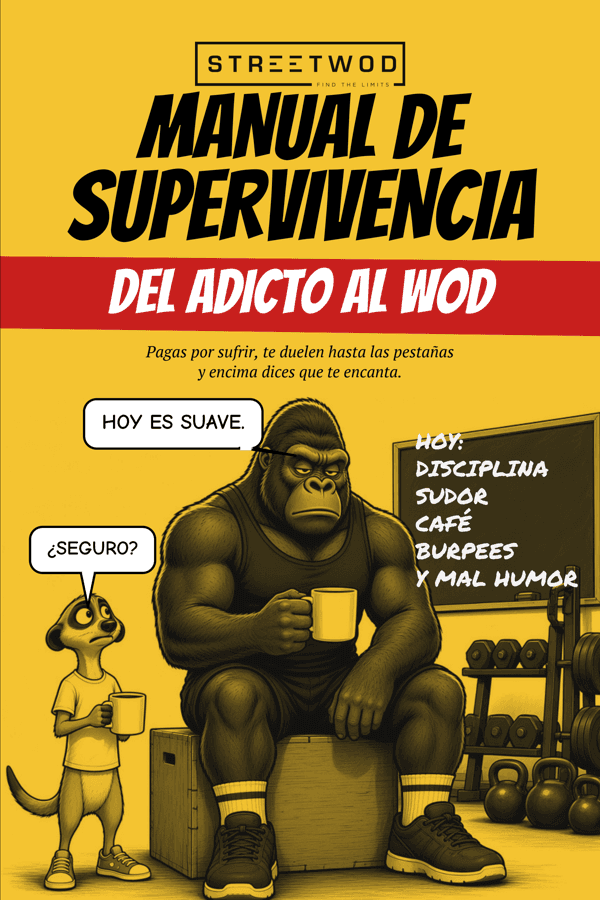
Mobility and stretching: what really works before and after the WOD
The one who stretches the quadriceps for three minutes before squats, the one who never stretches and the one who has a vibration roller. Let's talk about mobility without posture.
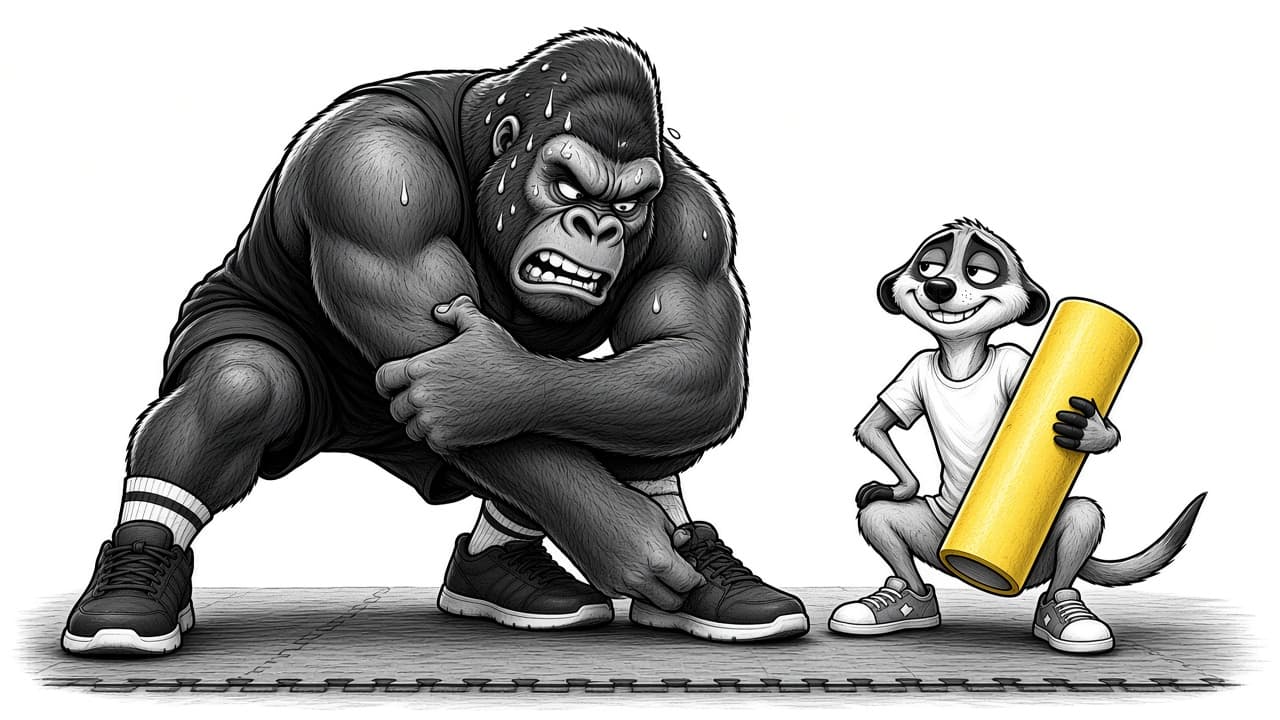
In all the gyms there is a ritual before class: someone on the floor with a lacrosse ball on their buttock, another stretching their quadriceps against the wall for three minutes and another looking at their cell phone "warming up their mind." Who is right? Let's go in parts.
Stretching before training: the great debate
For years it was said that stretching before training was mandatory. Then it was said that it was prohibited. The reality is less dramatic:
- Long static stretches (holding the position for more than about 60 seconds per muscle) just before a strength or power effort may slightly reduce performance.
- Short static stretches, lasting less than 30–60 seconds, have a small or negligible effect, especially if you do a dynamic warm-up afterwards. Translation: Anyone who holds their quad stretches three minutes before heavy squats may not be helping themselves. But it's not breaking down either. There are simply better options.
What does work before the WOD
A dynamic warm-up: movements that raise the temperature, move the joints through their full range and resemble what you are going to do next. For example:
- A few minutes of rowing, cycling or easy running
- Joint mobility of ankles, hips, spine and shoulders.
- Light versions of the movements of the day: squats with an empty bar, swings with little weight, etc. That is to say: what the coach gives you at the beginning of the class. The one you do looking at the clock. Yes, that was the good one.
And after the WOD? After training, stretching usually feels good and can help you calm down. What is not so clear is that it reduces soreness significantly. If you like it and it relaxes you, go ahead. If you do it out of obligation thinking that it will avoid soreness the next day, you may be disappointed.
Mobility: long-term work
If you can't get into a deep squat or can't get your arms above your head without arching your back, you don't fix it five minutes before class. You fix it with constant work, a few minutes several days a week, in the positions that cost you.
- Ankle: if the heels are raised in the squat.
- Hip: if you find it difficult to lower yourself without rounding your back.
- Shoulders and thoracic spine: if overhead squats and handstands seem like science fiction to you. Five minutes every day is worth more than an hour a month with a lot of enthusiasm and no continuity.
Massage rollers, balls and guns
The roller and gun may relieve the feeling of stiffness in the short term, and some people feel better afterward.
They do not work miracles, they do not magically "break adhesions" and they do not replace warming up. But if they help you feel better and move more eagerly, they have their place. What has no place is leaving the lacrosse ball in the middle of the room.
The characters of mobility
- He who never stretches: maintains that "lions do not stretch." Lions don't do thrusters either.
- The one who stretches everything: arrives 30 minutes early and does a complete yoga session. He is very flexible, but he is late for the WOD.
- The one with the gadget: He has a massage gun with more power than a drill. He uses it mainly to teach it.
- The one who does it well: warms up with the coach, works on his pending mobility for a few minutes several days a week and does not brag about it. It is a mythological being.
Takeaway Summary
- Before training: dynamic warm-up. If you stretch, keep it brief
- After: stretch if it feels good to you, without expecting miracles
- Mobility: little, specific and every day. If you have pain or an injury, consult with a physical therapist before changing your mobility routine.
Primary source: reviews on stretching and performance, such as Behm et al (2016), Applied Physiology, Nutrition, and Metabolism.