Survival guide in the "protein" aisle of the supermarket
Protein custard, protein bread, protein water. We teach you how to read the label so you don't pay double for an English word.
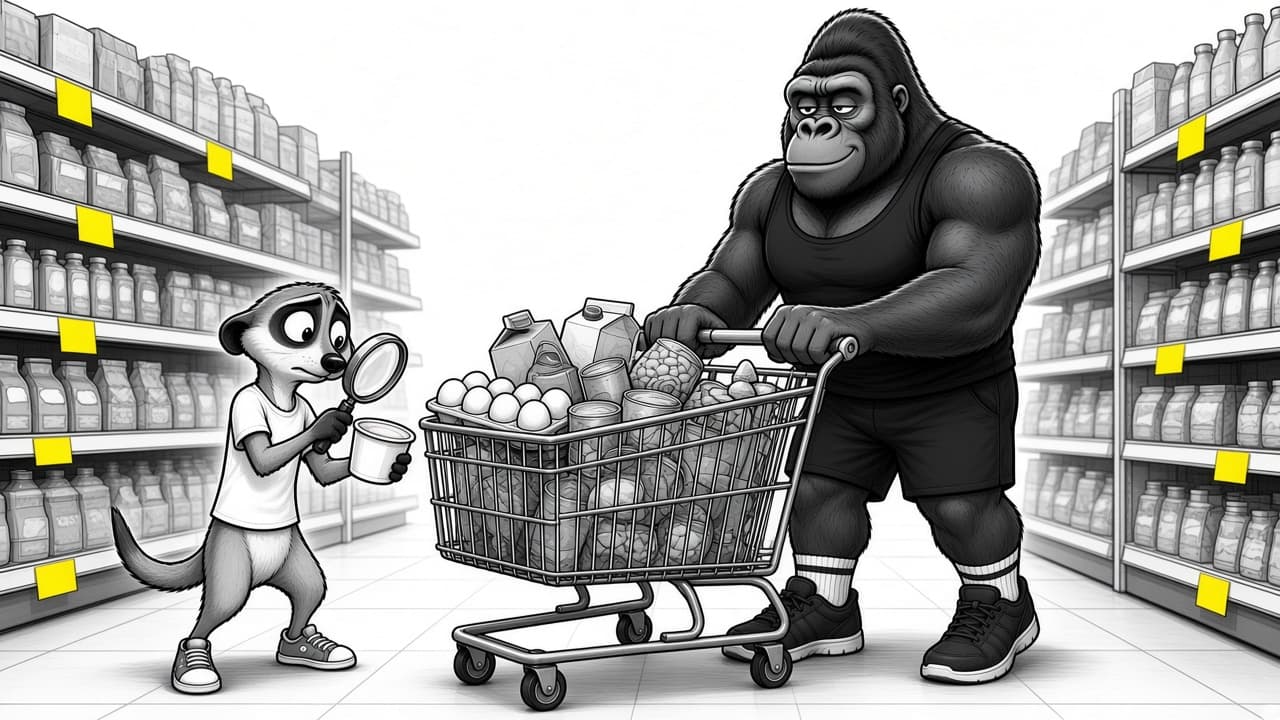
There was a time when protein was bought in supplement stores with neon lights and a clerk with arms fatter than your legs. Today it is in the yogurt aisle, next to the sliced bread and, if you're not careful, in the sweets aisle. Everything is protein. And almost everything costs more. ##What the label actually means
In the European Union, the statements you see on the packaging are regulated:
- "Protein source": at least 12% of the product's energy comes from proteins.
- "High protein": at least 20% of the energy comes from proteins. That is, just because a product says protein in large does not mean that it has much more protein than its normal version. Sometimes the difference is less than the price. And the word protein alone, without further ado, is above all graphic design.
The three-step method
Before putting anything in the car, turn it around and look at the nutritional table:
- Protein per serving. Not per 100 grams if the serving is 40. Marketing loves 100 grams.
- Sugars. There are products with more sugar than protein that are sold as "fitness". They are desserts with a good press agent.
- Price per kilo. Compare with the normal version and with usual foods.
Plain Greek yogurt, eggs, cans of tuna, and legumes have been protein for decades without telling anyone.
Official Hallway StreetWOD Ranking
- The honest: whipped fresh cheese, high-protein natural yogurt. They do what they say and don't cost a fortune.
- The right one: "protein" bread. A little more protein than the normal one, much more expensive. If you like it, go ahead, but don't buy it on faith.
- The suspect: cookies, pastries and protein chocolates. They are still cookies, pastries and chocolates, now with a superiority complex.
- The mystery: water with protein. It exists. Don't ask.
The shopping basket that they don't sell to you on Instagram
If you want to fill your car with protein without breaking the bank, the classics don't fail:
- Eggs: cheap, versatile and suitable for any time of day.
- Legumes: chickpeas, lentils and beans. In a jar, already cooked, they are the most underrated fast food in the country.
- Cans of fish: tuna, sardines, mackerel. They last months and save dinners.
- Dairy: natural yogurt, fresh cheese, milk. If you tolerate them, they are very practical.
- Frozen breast, turkey and fish: The freezer is your best ally when you don't have time to go shopping every other day.
When does a “protein” product pay off?
Not everything is bad.
A high-protein dairy dessert can be a good idea if it helps you replace a more sugary dessert, or if you need something practical to take on the go. The key is that you buy it knowing what it is, not because the big word makes you feel like you are training while you make the purchase.
The definitive rule
If your grandmother would recognize the food without reading the label, you probably don't need to be told it has protein. Eggs, legumes, fish, meat, dairy products. The rest can help if it is comfortable for you, but it is not mandatory to train well. Informative content. For personalized guidelines, consult with a dietitian-nutritionist.