Gin and tonic is not isotonic: alcohol and recovery
Post-WOD beer is a tradition in many pits. We tell you what it does to your recovery without sermons and without stopping you from wanting to go.
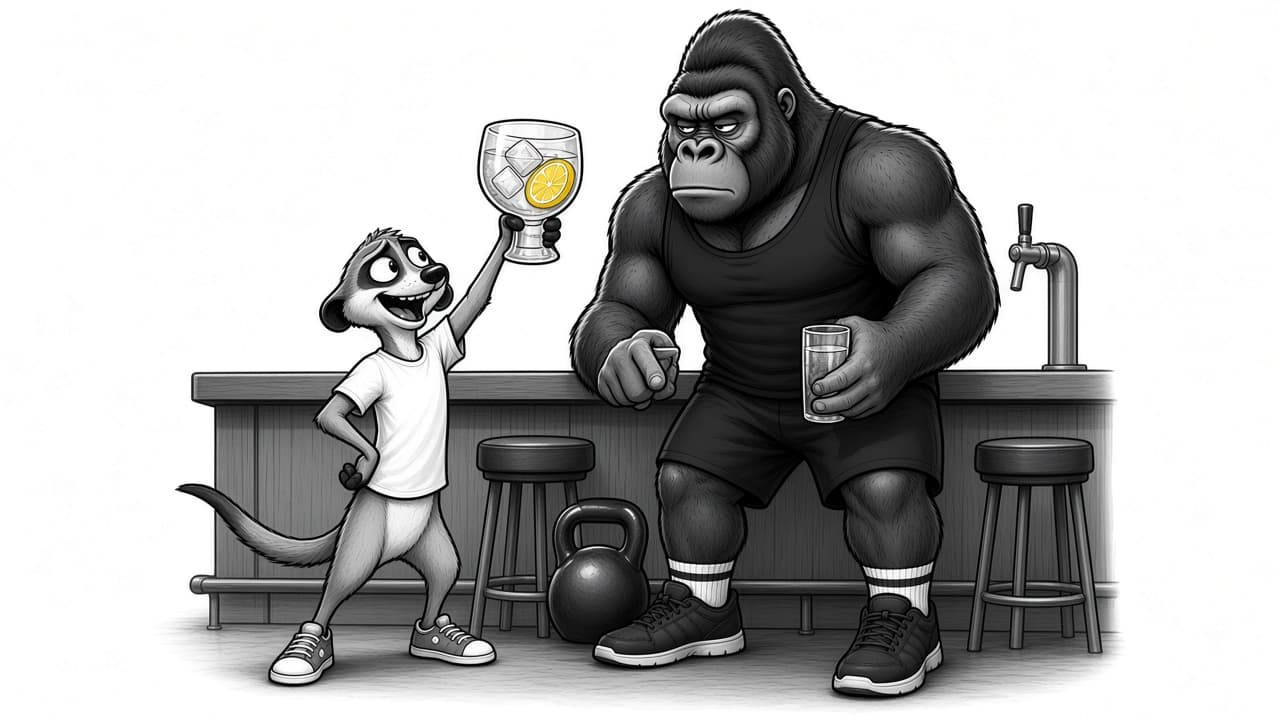
Let's be honest: in many pits the "beer afterward" is almost part of the program. On Friday the WOD is done, the material is collected and we go to the bar on the corner. We are not here to prohibit anything. We come to tell you what happens inside your body while you say "just one."
What science says
In a study published in PLoS One in 2014 (Parr et al.), a group of athletes did combined strength, interval and endurance training, and then drank a considerable amount of alcohol. Result: muscle protein synthesis was lower than when they didn't drink, even when they took protein at the same time. Translation: the shake doesn't override the gin and tonic. You can take both, but the second subtracts part of what the first adds. Be careful, the amount in the study was high, much more than a rod. With a beer the impact will be much less. But the trend is clear: the more you drink after training, the worse you recover.
The dream, the second victim
Alcohol can help you fall asleep sooner, but it usually worsens the quality of sleep during the night: more awakenings, less restful sleep, and that feeling of having slept eight hours and rested three. And as you already know, sleep is the most powerful free supplement you have.
Hydration: the myth of the “barley isotonic”
Beer has water, yes.
But alcohol has a diuretic effect, so it's not the best way to replenish fluids after sweating. If you finish the WOD dehydrated and the first thing you drink is alcohol, your body won't thank you. “Beer is isotonic” sounds great at the bar, but it doesn't stand up to serious analysis.
The accounts that no one does
In addition, alcoholic drinks provide calories, often accompanied by bravas, croquettes and that ham plate that "is meant to be shared." If your goal is to lose fat, Friday's round can undo more than the WOD did.
The Minimum Damage Protocol
If you are going to drink, do it with your head:
- First water and food. Before the first beer, drink water and eat something with protein and carbohydrates.
- Alternate. One with alcohol, one without. Non-alcoholic beers have improved a lot and no one is going to look at you strangely at the bar.
- Less is more. One is not three. Three is not “just a couple.”
- Be careful the next day. If tomorrow you have a competition or an important training session, today it's time for sparkling water and lemon.
- Never to "recover" from an injury. Alcohol does not help cure anything.
So, no beers? That's up to you. the gym community is a huge part of why people continue to train, and there is a lot of value in spending some time together after the WOD.
The key is to know the price you pay in recovery and decide with information, not with the excuse of isotonic. > The best post-WOD beer is the one you drink knowing that tomorrow there is no back squat. Informative content. Alcohol consumption carries health risks. If you have questions about your consumption, consult with a health professional.
Source: Parr, E. B. et al. (2014). "Alcohol ingestion impairs maximal post-exercise rates of myofibrillar protein synthesis following a single bout of concurrent training." PLOS One.